When users land on your website, they are usually looking for one thing: clarity. Whether they want to learn about your services, compare products, or contact your team, the path from entry to action should feel effortless. If visitors have to guess where to click next, they won’t stay long.
That’s why navigation is one of the most critical components of website design and development. A well-structured navigation system doesn’t just improve user experience — it directly impacts engagement, lead generation and sales. From internal link structure and site hierarchy to menus, breadcrumbs and search features, every element plays a role in moving users from click to conversion.
Let’s explore how effective navigation boosts website performance and conversions and how a professional website design company approaches optimization strategically.
Why navigation matters more than you think
Navigation is the roadmap of your website. Without it, even the most visually appealing site will struggle to convert visitors.
According to research from the Nielsen Norman Group, users typically leave a webpage within 10–20 seconds if they can’t find what they’re looking for (Chron, n.d.). Poor navigation increases bounce rates, frustrates visitors and damages trust. On the other hand, intuitive navigation encourages users to explore further, increasing time spent on site and conversion potential.
Professional web designers understand that navigation is not just about menus. It’s about creating a logical journey that aligns with user intent and business goals.
1. Building a clear site hierarchy
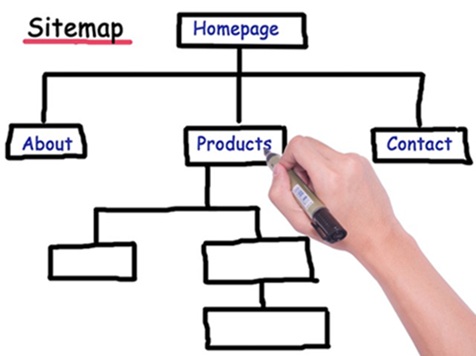
A strong navigation strategy begins with site hierarchy. This refers to how pages are organized and structured within your website.
A well-planned hierarchy typically follows this format:
- Homepage
- Primary service/product categories
- Subcategories or service detail pages
- Supporting content (blogs, FAQs, case studies)
When hierarchy is clear, users can predict where information lives. For example, a visitor looking for “Website Design Services” should be able to find that page within one or two clicks from the homepage.
From an SEO perspective, search engines also rely on logical hierarchy to crawl and understand your website. This makes structured navigation a foundational part of effective website design services.
2. Optimizing internal link structure
Internal linking is often overlooked, but it plays a major role in guiding users and distributing authority across your website.
Strategic internal links:
- Connect related content
- Guide users toward high-value pages
- Reduce dead ends
- Improve SEO performance
For example, a blog post discussing web trends can link naturally to your website design and development service page. This not only improves discoverability but also moves users closer to conversion.
A professional website design company will map internal links intentionally, ensuring every page supports broader business objectives.
3. Designing user-friendly menus
Your primary navigation menu is the most visible navigation element. It must be clean, concise and intuitive.
Best practices include:
- Limiting top-level menu items (5–7 is ideal)
- Using clear, descriptive labels
- Avoiding cluttered dropdowns
- Ensuring mobile responsiveness
With mobile traffic accounting for more than half of global web traffic, responsive menu design is critical. A poorly designed mobile menu can disrupt user flow instantly. That’s why partnering with a responsive website design company ensures that navigation works seamlessly across all devices.
Menus should guide users naturally toward key conversion pages such as “Contact,” “Get a Quote,” or “Our Services.”
4. Using breadcrumbs for clarity
Breadcrumbs are secondary navigation tools that show users where they are within the site hierarchy.
For example: Home > Services > Website Design > E-Commerce Development
Breadcrumbs improve usability by:
- Helping users backtrack easily
- Reinforce site structure
- Enhancing search engine indexing
While subtle, breadcrumbs contribute significantly to user confidence and orientation. This is particularly true for larger websites.
Read more on essential website features every small business needs.

5. Integrating smart search features
As websites grow, search functionality becomes essential. Users who utilize on-site search often have higher intent.
An optimized search feature should:
- Deliver fast, accurate results
- Include predictive text suggestions
- Handle spelling variations
- Display relevant content categories
For e-commerce sites, filtering and sorting options (by price, category, or popularity) further enhance the search experience. A well-designed search function ensures users never hit a dead end, keeping them engaged and more likely to convert.
6. Reducing friction in the conversion path
Effective navigation is ultimately about minimizing friction. Every unnecessary click or confusing pathway increases the chance of abandonment.
Here’s how professional website design services streamline the journey:
- Ensuring important pages are no more than three clicks away
- Highlighting clear calls-to-action
- Using visual hierarchy to draw attention
- Eliminating redundant pages
- Testing user flows through analytics and heatmaps
A/B testing different navigation layouts can reveal valuable insights. For example, repositioning a “Request a Quote” button to a more prominent location may significantly increase conversions.
7. Aligning navigation with business goals
Not all navigation elements carry equal weight. High-value pages, such as service offerings or contact forms, should receive greater prominence.
A results-driven website design company doesn’t design navigation based solely on aesthetics. Instead, they analyze:
- User behaviour data
- Conversion funnels
- Traffic sources
- Drop-off points
By aligning navigation with strategic goals, businesses can transform passive visitors into active leads.
How effective navigation drives measurable results
When navigation is optimized:
- Bounce rates decrease
- Page views per session increase
- Time on site improves
- Conversion rates rise
More importantly, users feel confident interacting with your brand. A clear and intuitive structure signals professionalism and builds trust — two essential ingredients for digital success.
If your website isn’t guiding visitors effectively, you could be missing valuable opportunities to convert traffic into customers. By partnering with experienced web designers and investing in professional website design and development, businesses in Trinidad can create websites that don’t just look impressive, but deliver measurable results. Contact us to learn more.
Learn how to enhance user navigation with effective website link reorganization.